Just Sue
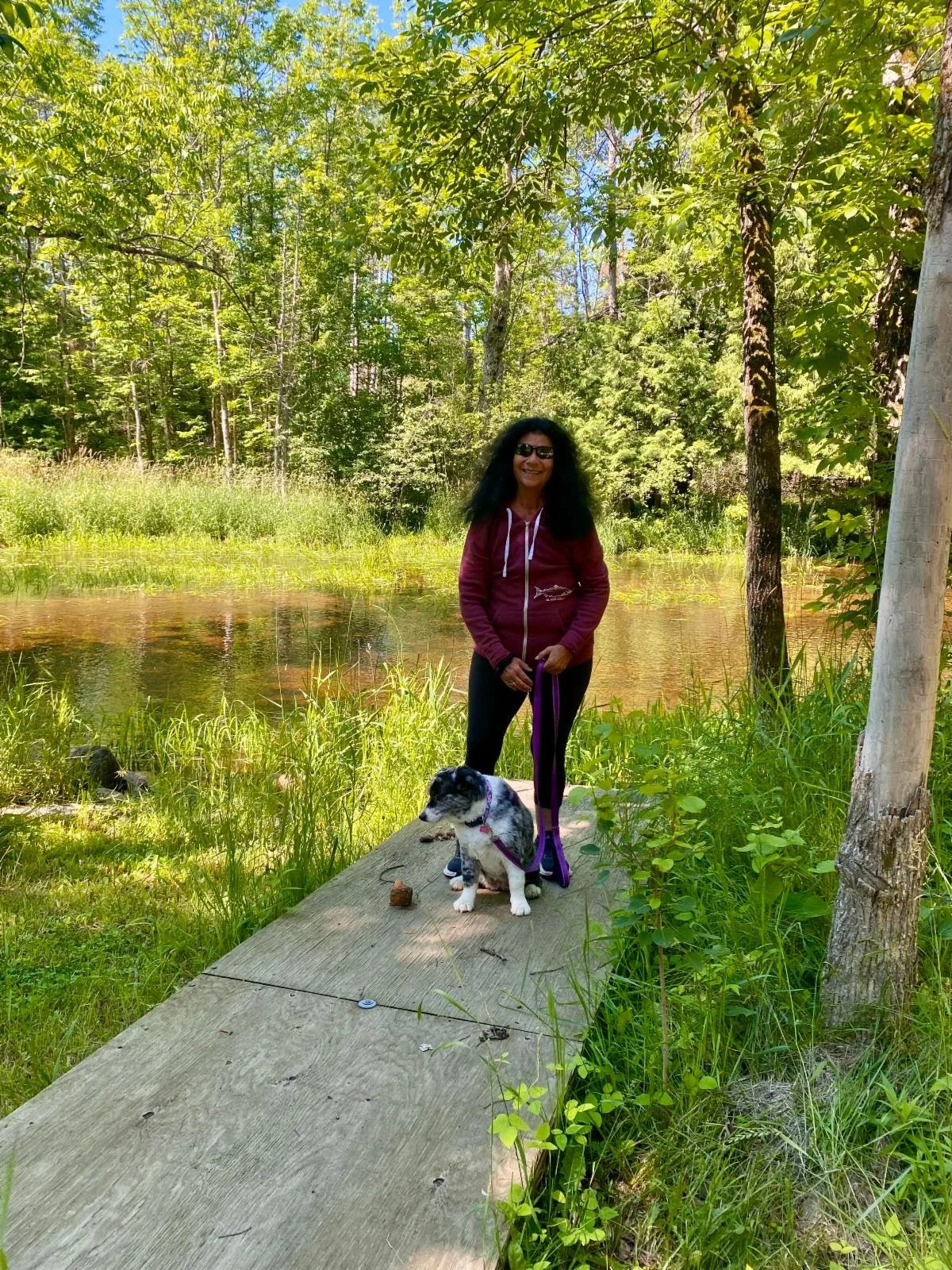
“You don't look like a criminologist.”
I've heard that more times than I can count.
My response is usually a question: “What do you think a criminologist is supposed to look like?”
I have spent more than forty years working with people whose lives have taken them into
some of the darkest places imaginable. I've worked in prisons, with families in crisis, with
young people whose anger frightened everyone around them, and with people whose
actions have left communities searching for answers.
And through it all, I've simply been Sue.
I entered this profession when women weren't particularly welcomed in many corners of criminal justice. I learned early that appearances could be deceiving; yet sometimes useful. There were occasions when being underestimated worked to my advantage.
I've played the part of the woman who didn't quite understand what was happening around her. Meanwhile, my mind was taking in almost everything around me. I take in more than people might think.
Still there is another side to this work that people rarely see. When I sit across from someone who has committed a terrible crime, I'm not there to judge them. A jury has already done that.
I want to know them. Their words and expressions carry equal weight.
I want to understand the experiences, decisions, relationships, and circumstances that brought them to that particular moment in their lives. I want to understand what we might have recognized earlier, what might have changed their outcome, and how we might keep another child from traveling that same road.
That curiosity is genuine and well intended. It always has been.
I've sat for hours listening to people tell me things they might never have told another person. Sometimes I speak very little. A nod, a quiet “I hear you,” or a moment of silence can keep a conversation moving.
And while I may appear perfectly calm, my mind is working extraordinarily fast, connecting psychology, criminology, trauma, family dynamics, and human behavior.
Yet, I am calm. That's not a performance.
I have always believed that we must meet people where they are, not where we are.
That doesn't mean excusing harmful behavior. Understanding someone, is not the same as approving of what they've done. It means recognizing that before we can understand a person's actions, we must be willing to see the person.
Of course, there has always been another Sue outside the prisons, classrooms, and difficult conversations. The mother. The friend. The woman who loves deeply, laughs joyfully, writes books, relishes in life's absurdities, and occasionally finds herself wondering how she ended up with such an extraordinary life.
I have never wanted my profession to become my entire identity. Yet, it has shaped the way I observe the world. I notice things. I ask questions. I sometimes recognize what isn't being said.
This criminologist is not a good cook, yet she loves ordinary moments, the people in her life and meaningful conversations. “What surprises many people is her deep, wholehearted laughter, often contagious. This is what you will see when you look at the criminologist. .
As I look back, I don't think about the titles, the cases, or the places I've worked. I think about the people who have come into my life. The people who trusted me with their stories. The children whose lives might still take a different direction. The families searching for hope. The professionals who cared enough to ask another question.
And I think about how much there still is to learn. Perhaps that's why I continue writing, teaching, and speaking.
I'm not finished being curious. I'm certainly not finished listening.
So when someone tells me I don’t look like a criminologist, I just smile and say,
“She looks just like you.”
Sometimes, she is an author sitting at her computer, writing about the darker corners of human nature. Sometimes, she's simply a woman sitting across a small table from someone who the world has already judged, hoping she can gain a little understanding, just enough to make a small difference.
Just Sue.